Introduction to Altcoins
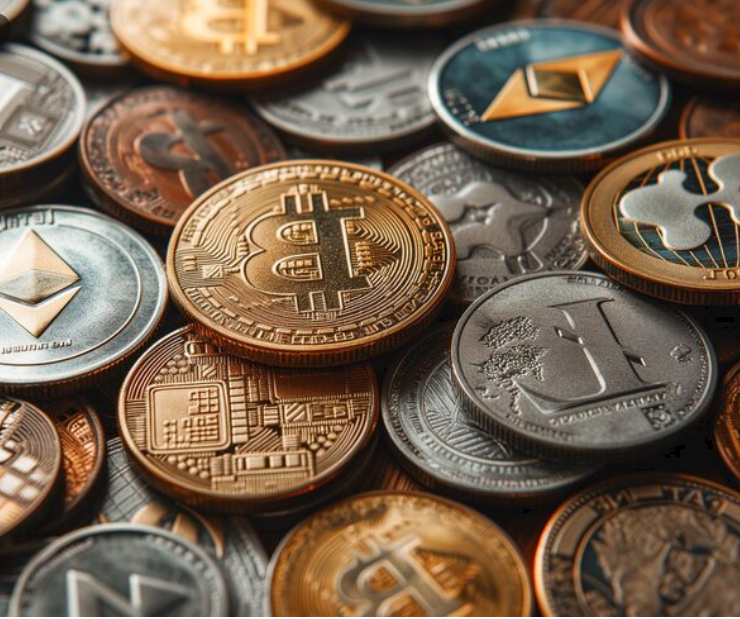
Altcoins are digital currencies that exist as alternatives to Bitcoin and play an important role in the broader cryptocurrency ecosystem. The term Altcoins refers to all cryptocurrencies other than Bitcoin, each designed with unique goals and features. While Bitcoin introduced decentralized digital money, Altcoins expanded the idea by improving speed, functionality, privacy, and scalability. Understanding Altcoins helps users see how innovation continues to shape the crypto space.
Purpose and Meaning of Altcoins
Altcoins were created to address limitations observed in Bitcoin or to explore entirely new use cases. Some Altcoins focus on faster transaction processing, while others emphasize enhanced privacy or advanced smart contract capabilities. These digital currencies aim to solve real world problems by offering tailored solutions for different industries. Through this diversity, Altcoins contribute to a more flexible and dynamic blockchain environment.
Technology Behind Altcoins
The technology that powers Altcoins often builds upon blockchain principles while introducing new improvements. Many Altcoins use modified blockchain designs to enhance efficiency, reduce energy consumption, or support complex applications. Some networks allow developers to build decentralized applications directly on their platforms. This technological evolution demonstrates how Altcoins push blockchain innovation beyond basic value transfer.
Different Types of Altcoins
Altcoins can be grouped based on their primary function and design. Some are designed as payment focused cryptocurrencies that aim to be used for everyday transactions. Others are utility tokens that provide access to specific services within blockchain platforms. There are also privacy focused Altcoins that prioritize anonymity and security. This variety allows users to choose digital currencies that align with their needs and interests.
Altcoins and Smart Contracts
Smart contracts are an important feature associated with many Altcoins. These are self executing digital agreements that run automatically when conditions are met. By enabling smart contracts, Altcoins support decentralized finance platforms, digital marketplaces, and innovative business models. This capability has expanded the use of blockchain technology into areas beyond simple payments.
Market Value and Volatility of Altcoins
Altcoins are known for their dynamic market behavior. Their values can change rapidly due to technological developments, community support, and broader market trends. While some Altcoins have achieved strong adoption and long term growth, others may struggle to maintain relevance. Understanding the risks and opportunities associated with Altcoins is essential for anyone exploring the cryptocurrency market.
Security and Risks Associated with Altcoins
Security is a critical consideration when dealing with Altcoins. While many projects are built on secure blockchain frameworks, others may be experimental or poorly maintained. Users should research each Altcoin carefully, focusing on development activity, transparency, and community trust. Using secure wallets and reputable platforms can help protect digital assets and reduce exposure to potential threats.
Role of Altcoins in the Crypto Ecosystem
Altcoins play a vital role in expanding the overall cryptocurrency ecosystem. They encourage competition, drive technological progress, and offer alternatives to existing financial systems. By experimenting with new ideas, Altcoins help shape the future direction of blockchain technology. This continuous innovation benefits the entire crypto community.
Altcoins and the Future of Digital Finance
The future of Altcoins is closely linked to the growth of blockchain adoption worldwide. As industries explore decentralized solutions, Altcoins may become key tools for finance, supply chains, gaming, and digital identity. Their ability to adapt and innovate positions Altcoins as important contributors to the evolving digital economy.
Conclusion on Altcoins
Altcoins represent the creative and experimental side of cryptocurrency development. By offering alternatives to Bitcoin with unique features and use cases, Altcoins expand the possibilities of blockchain technology. Learning about Altcoins provides valuable insight into how digital currencies continue to evolve and influence the future of global finance.